
Why smells repel mosquitoes
Mosquitoes rely on their highly sensitive sense of smell to locate humans. Certain scents mask human odors or irritate mosquito sensory organs, making them avoid the area.
Scents mosquitoes hate the most
1. Lemongrass (Citronella)
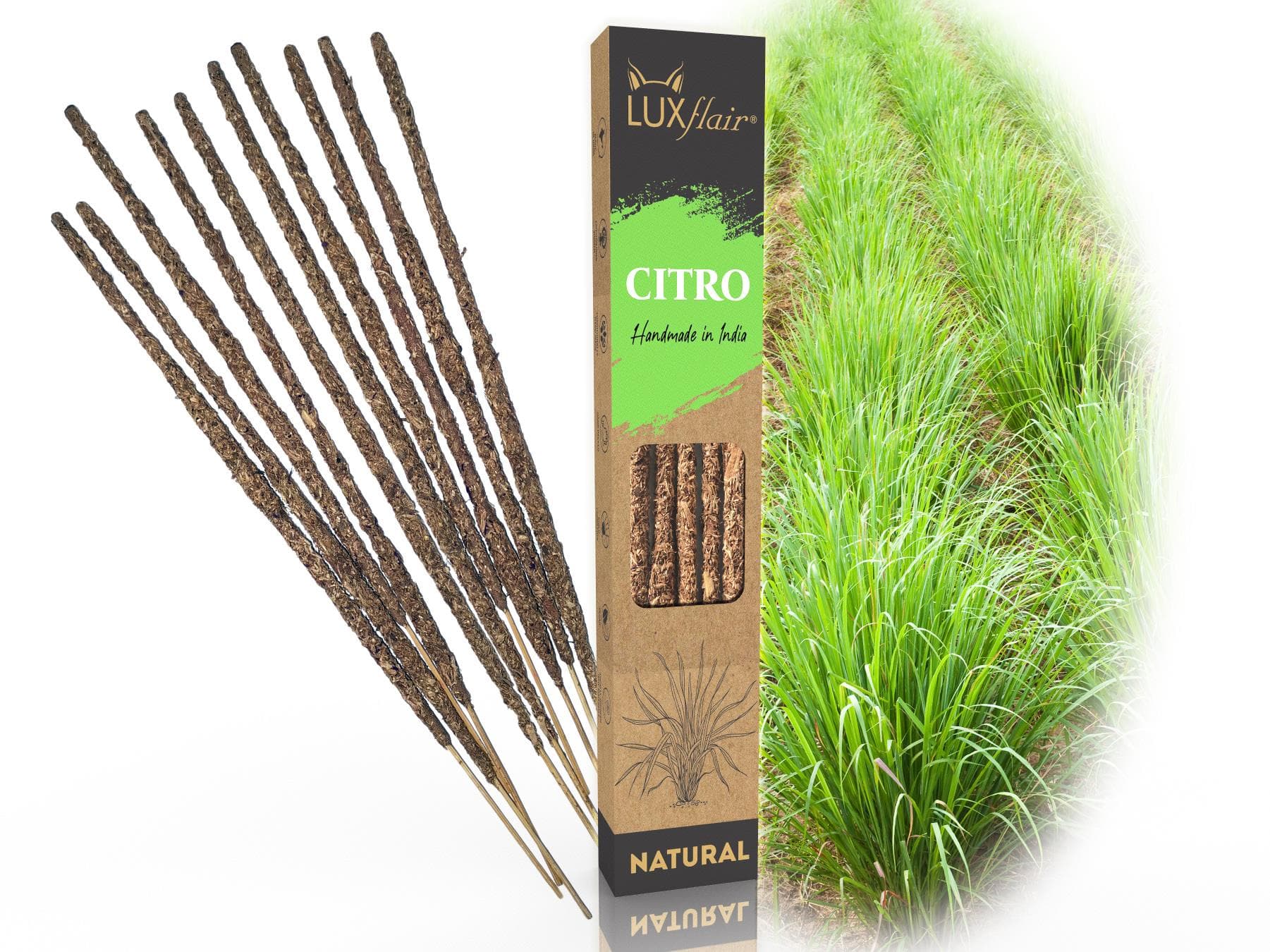
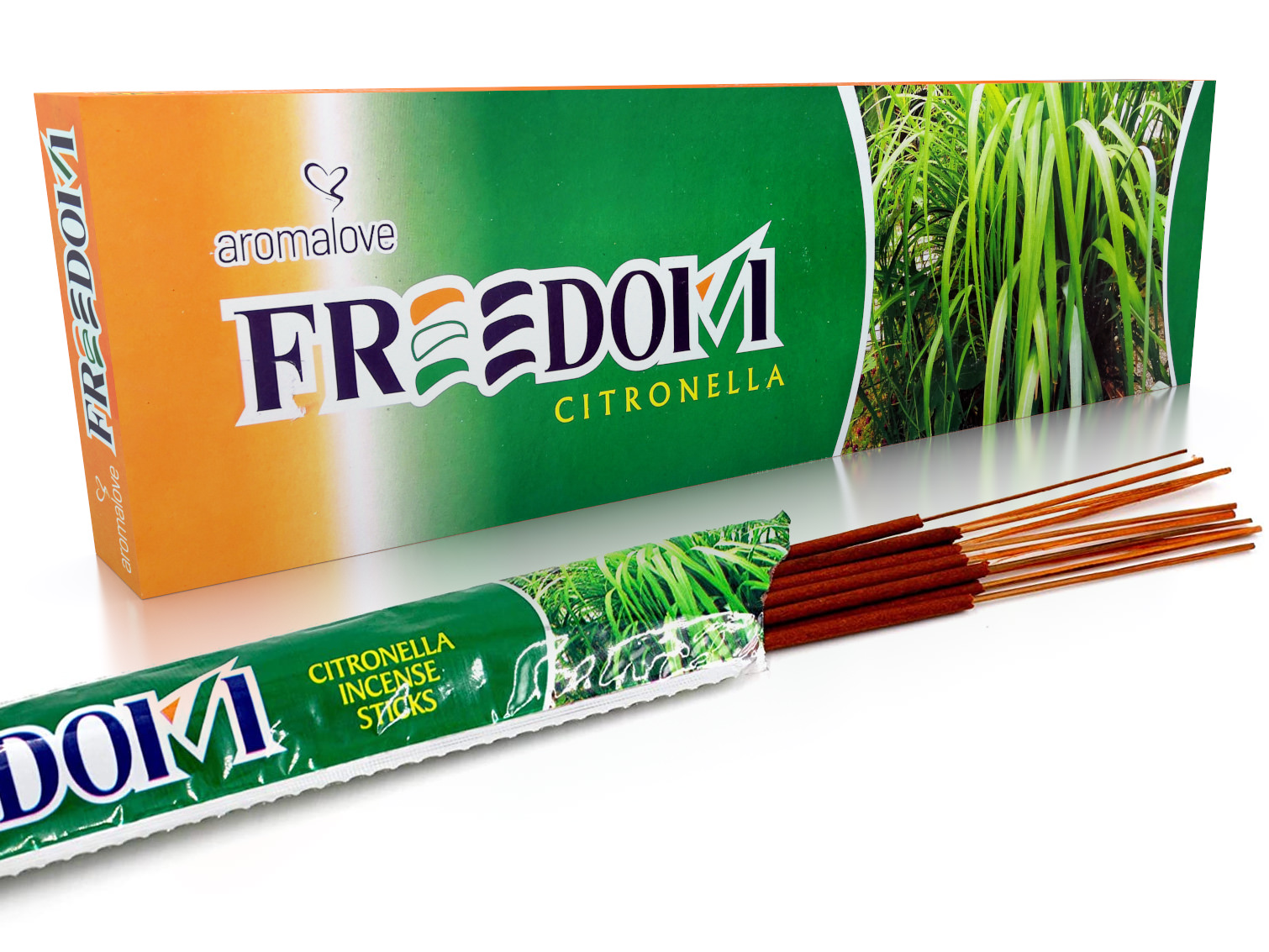
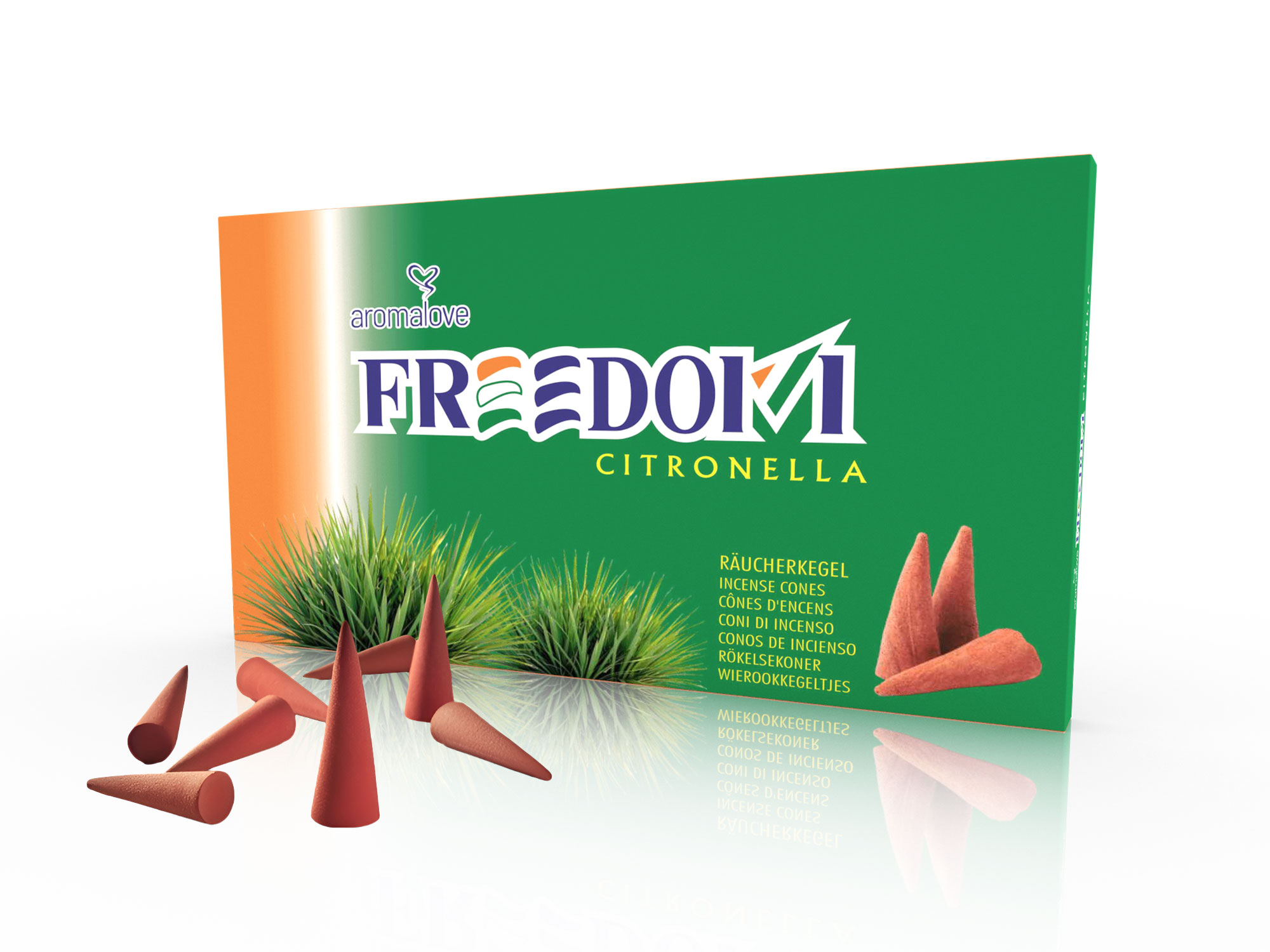
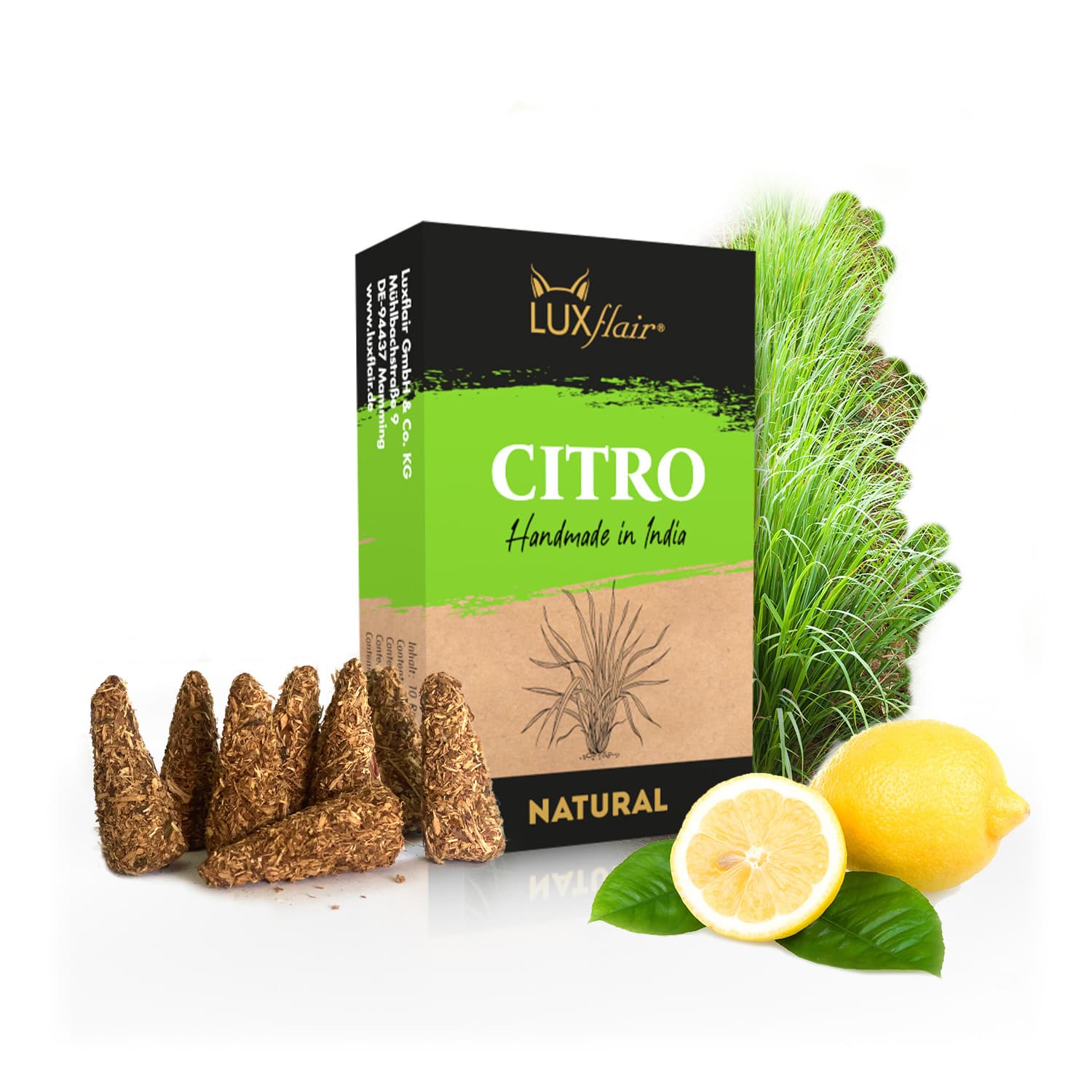
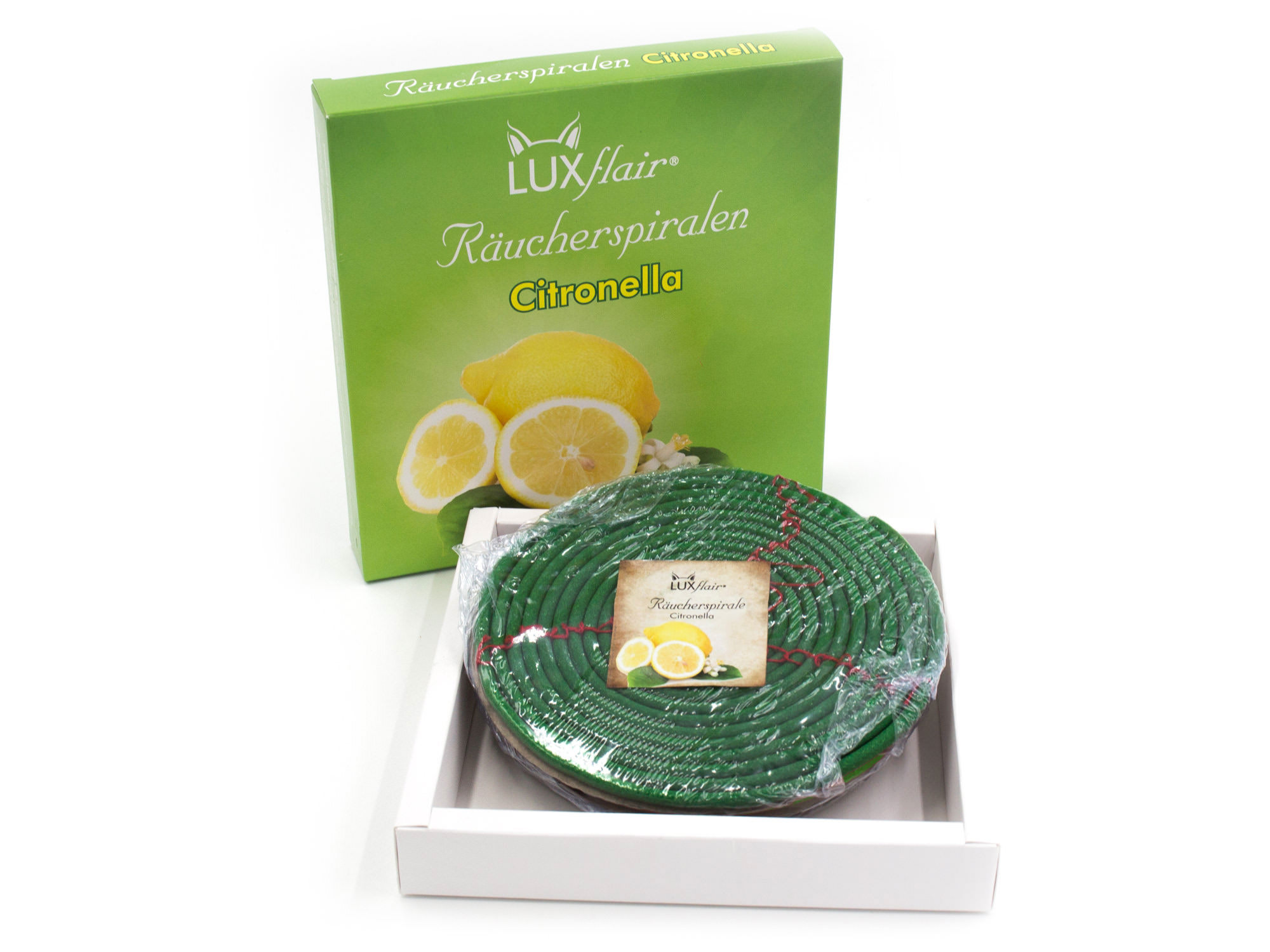
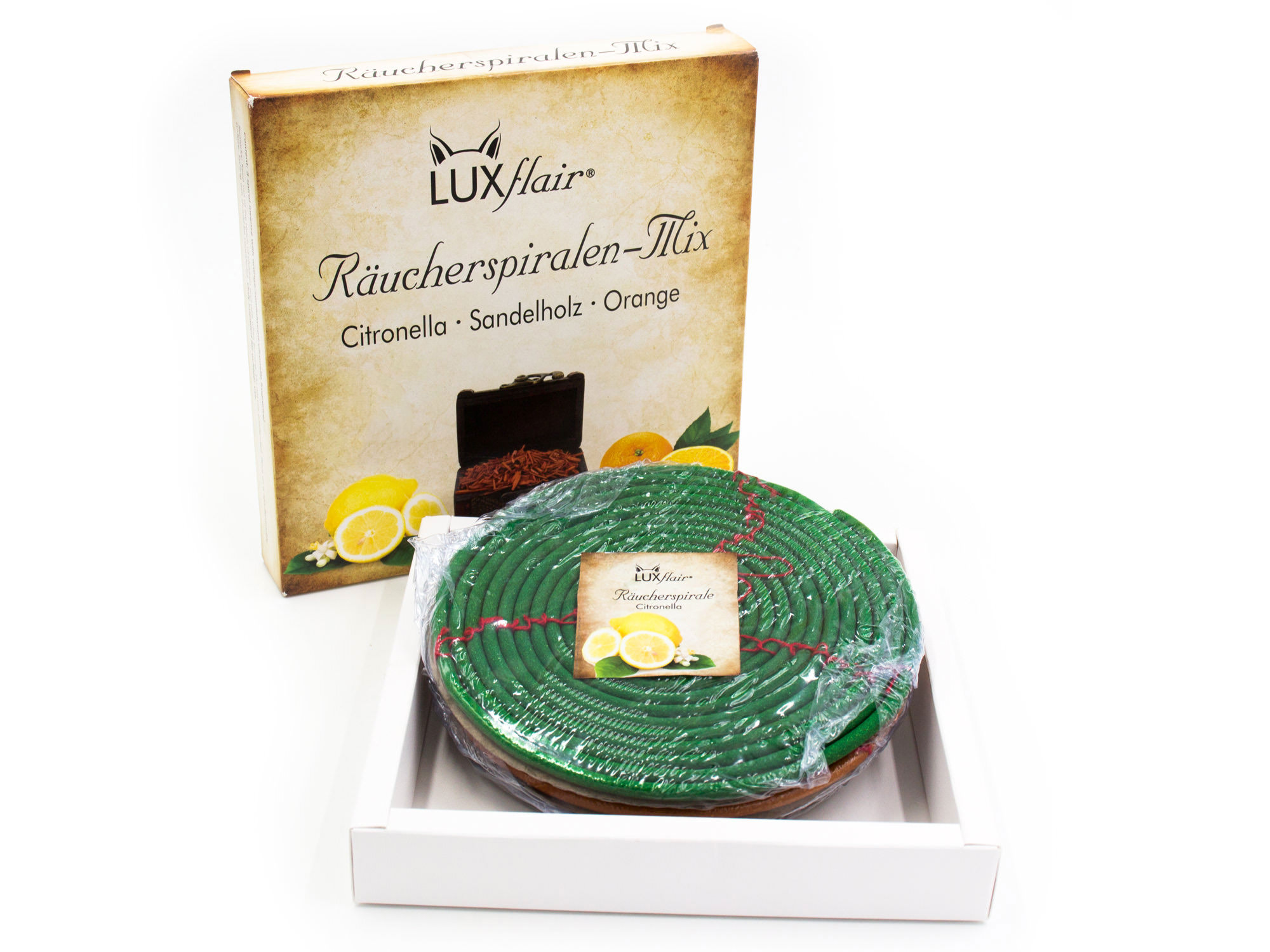
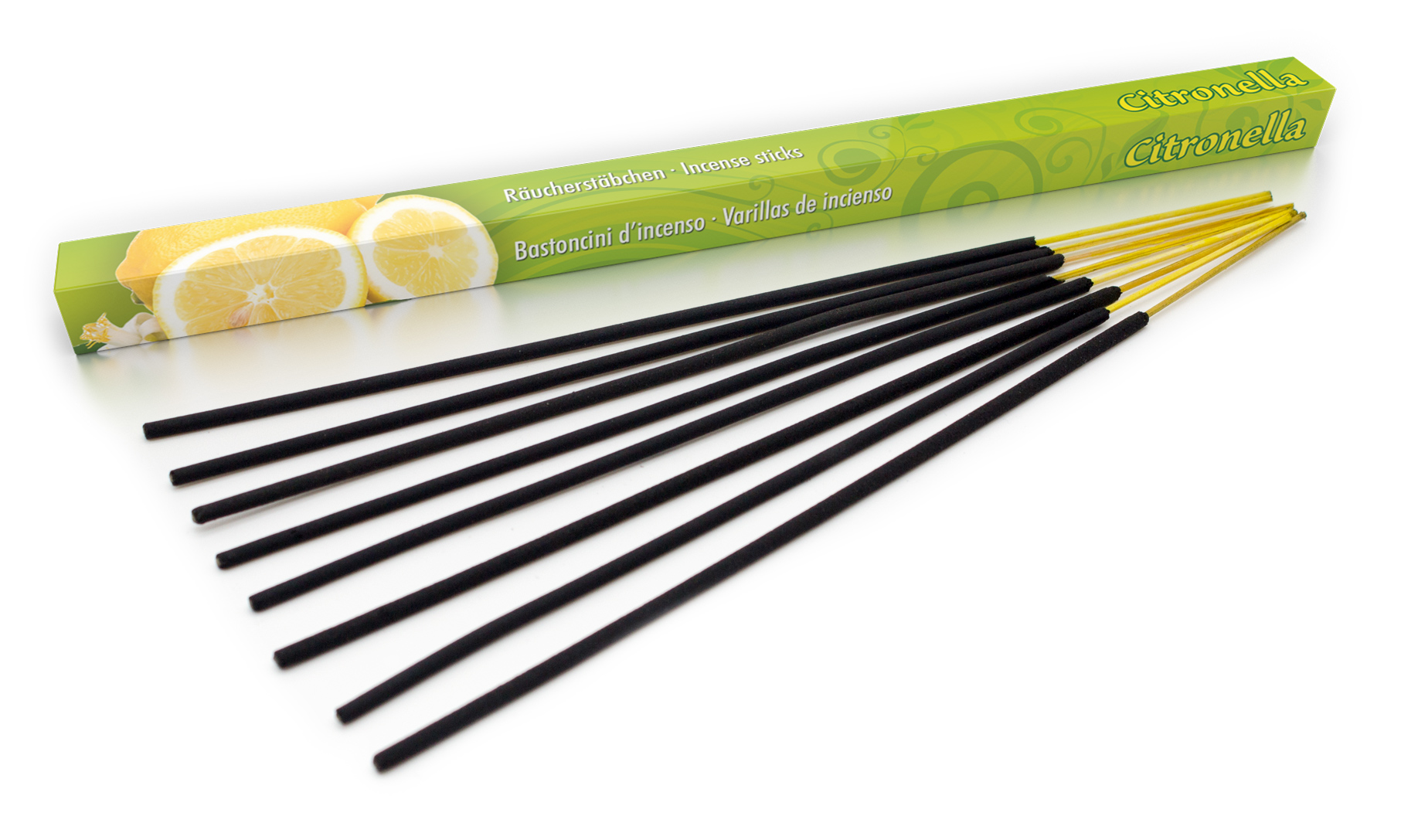
Lemongrass is one of the most effective natural mosquito repellents. Its strong citrus scent disrupts mosquito orientation.
Usage:
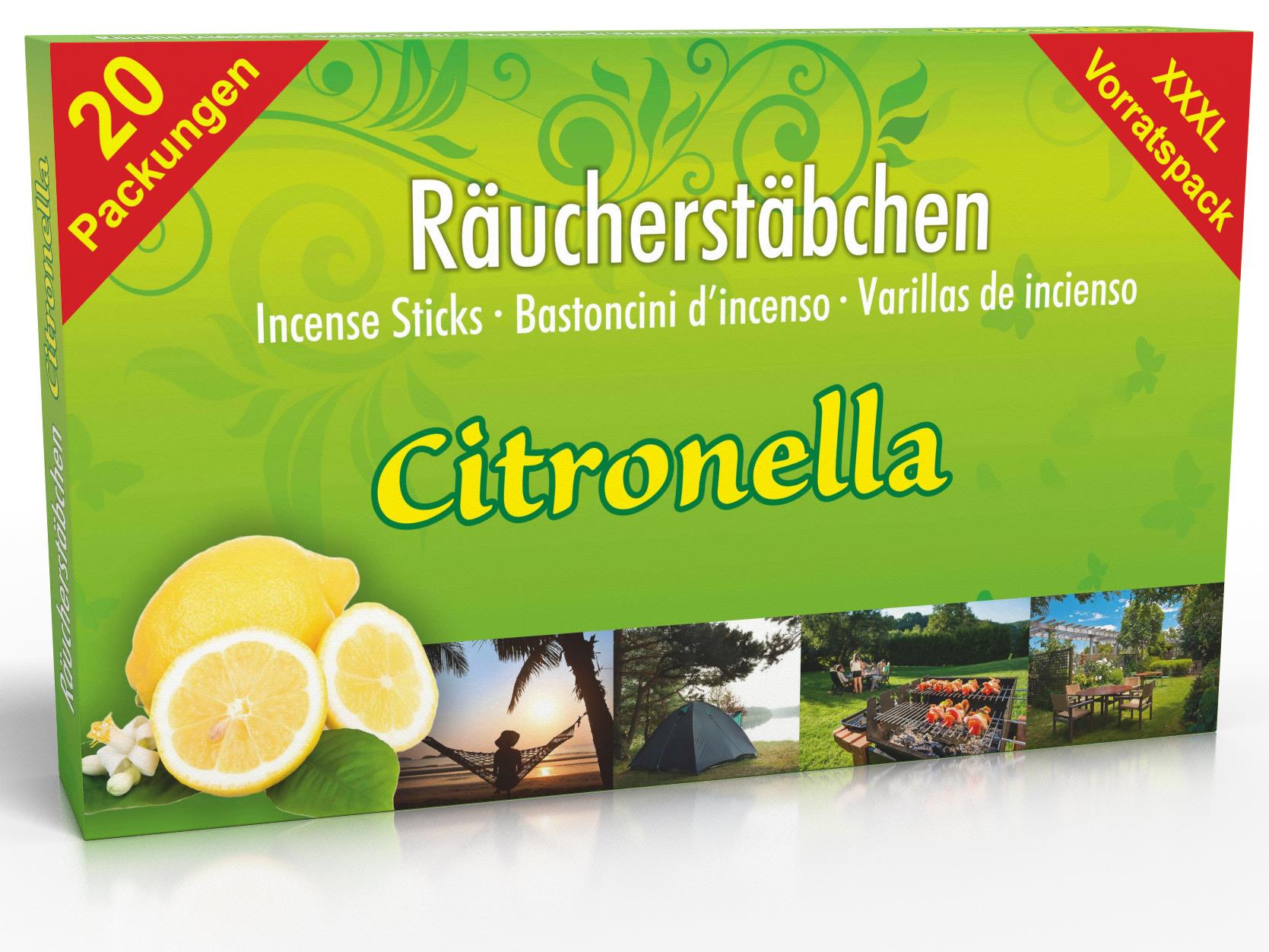
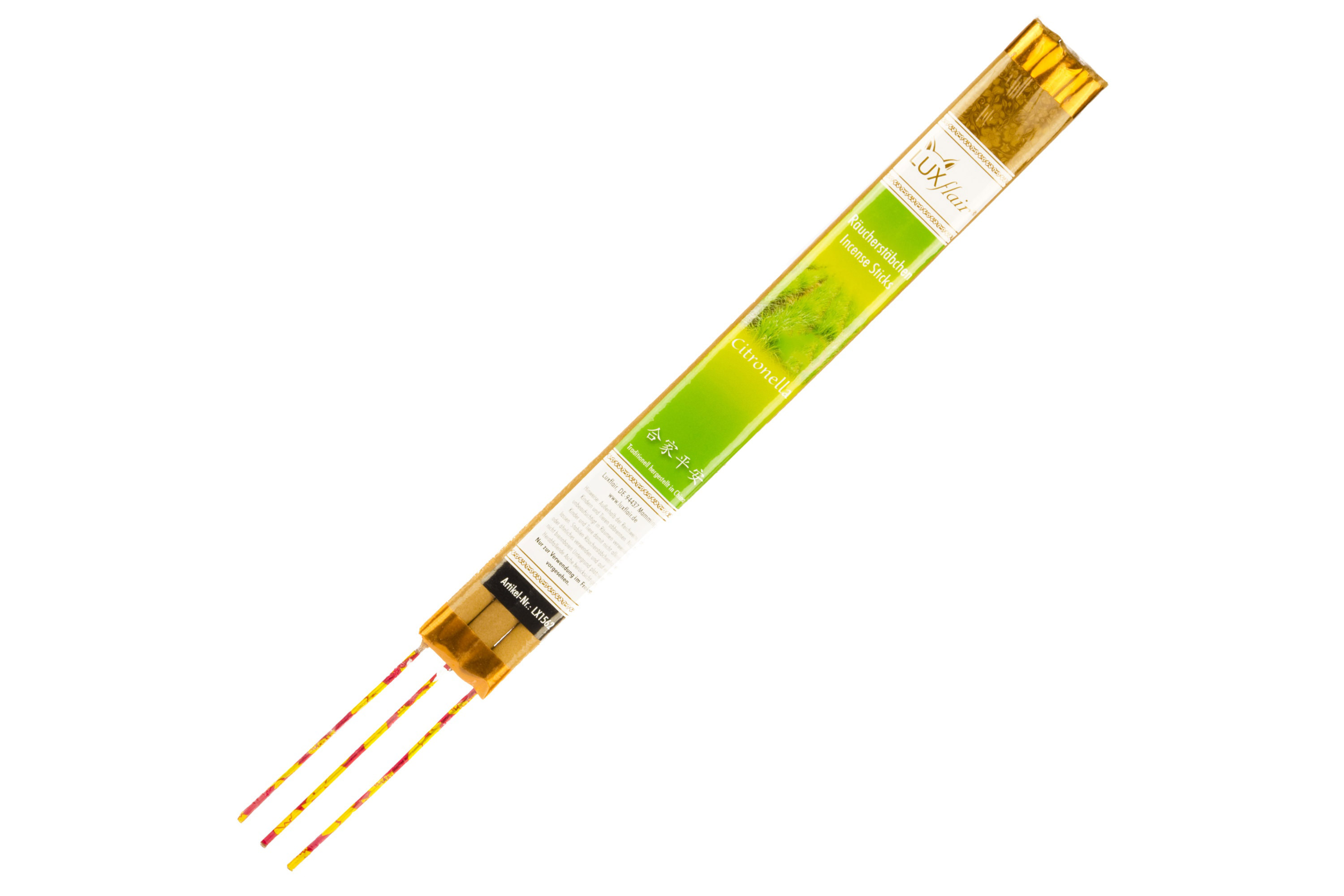
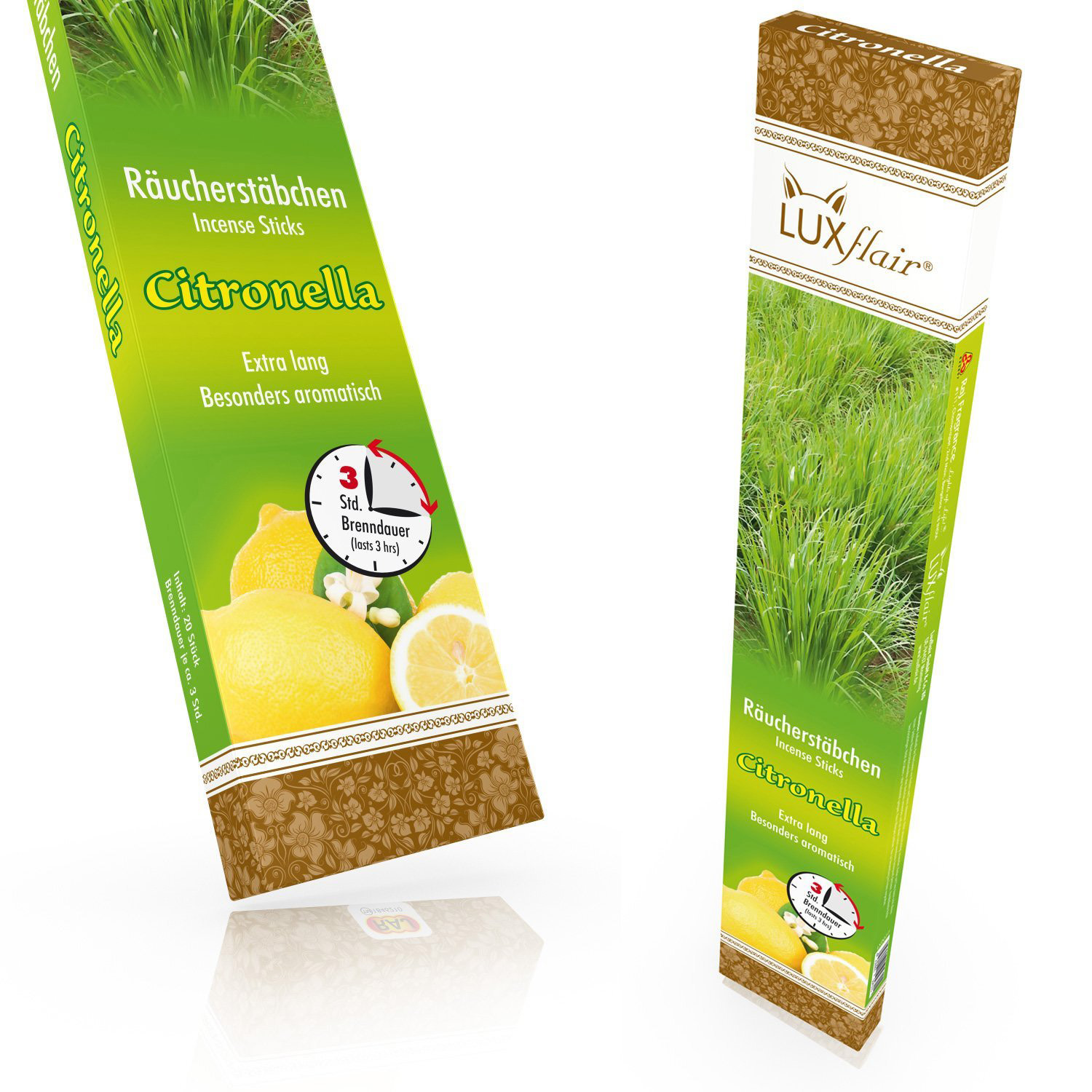
- Citronella incense sticks
- Essential oil (diluted)
- Garden and balcony torches
2. Lavender
Pleasant for humans but repellent to mosquitoes. Also has calming effects and can relieve itching.
Usage:
- Lavender sachets
- Lavender oil (diluted on skin)
- Lavender plants outdoors
3. Eucalyptus
Eucalyptus is particularly effective and often used in natural insect repellents.
Usage:
- Essential oil
- Homemade spray with water
4. Peppermint
The fresh, sharp scent of peppermint is unpleasant for mosquitoes and also refreshing.
Bonus: Also keeps flies and ants away.
5. Clove
Cloves contain eugenol, a scent mosquitoes avoid. Popular as a natural home remedy.
Home Tip: Halve a lemon, stick cloves into it, and place on a table – perfect for balcony or terrace.
Scents that attract mosquitoes
To effectively repel mosquitoes, avoid the following fragrances:
- Sweet perfumes
- Floral scents
- Body odor
- Alcoholic beverages
Conclusion: Natural scents against mosquitoes
If you want to keep mosquitoes away, rely on lemongrass, lavender, eucalyptus, peppermint, and cloves. These incense scents are simple, versatile, and an effective alternative to chemical insect sprays.