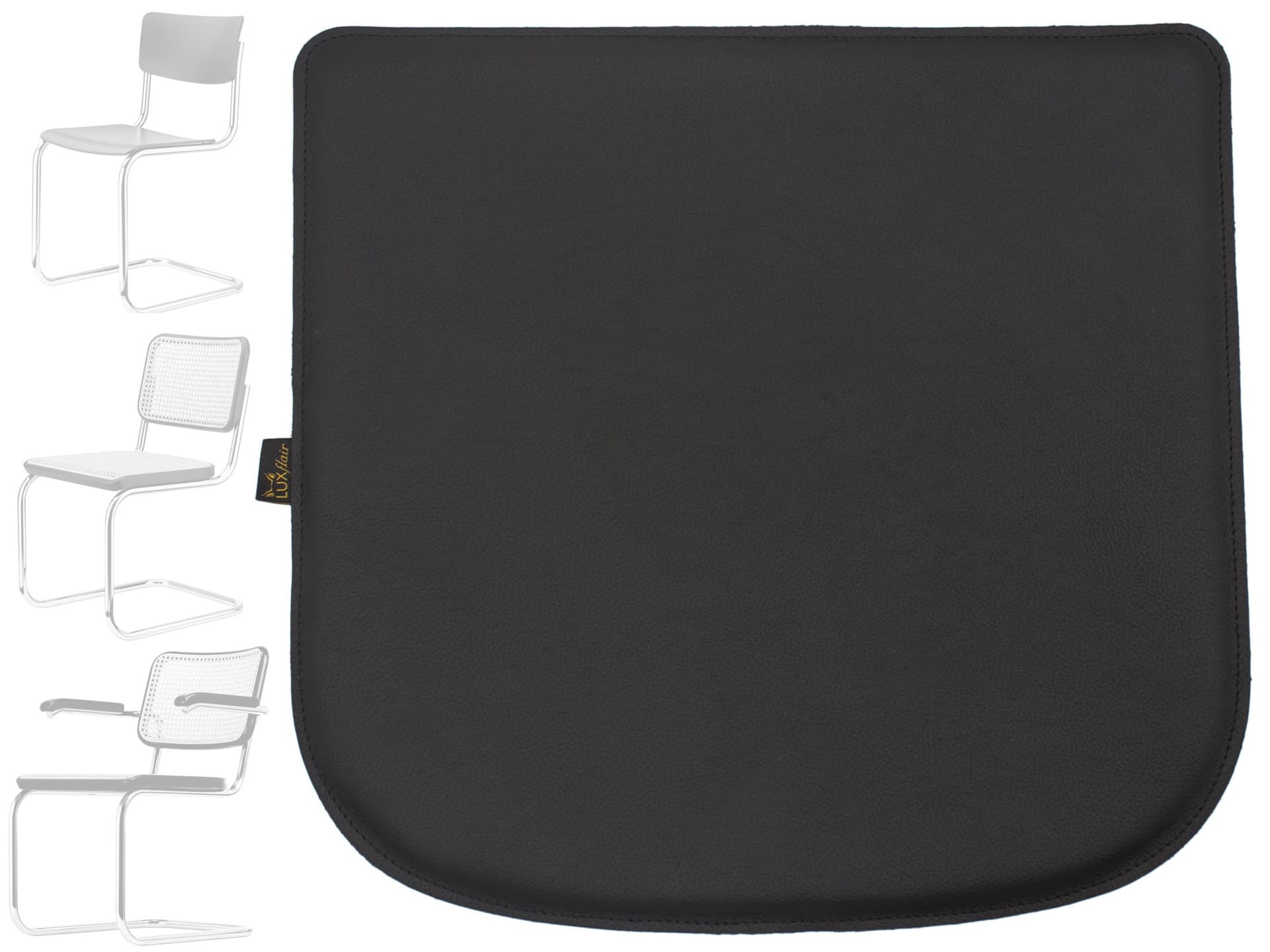

Anyone who owns a Thonet chair knows the problem: an ordinary seat cushion from the furniture shop rarely fits properly. The round, oval or slightly trapezoidal seats of these classics call for individually cut cushions that bring shape, comfort and appearance into harmony. Anyone wanting to find the right upholstery should consider dimensions, material, filling and fastening together – because only in combination does a cushion emerge that truly fits.
Thonet chairs and their special requirements for seat cushions
Thonet chairs have been known for decades for their distinctive design language. Models made of bent bentwood or cantilevered tubular steel chairs often have seats that differ significantly in curvature, angle or width from rectangular standard chairs.
Characteristics of classic Thonet models
Many bentwood chairs have a slightly oval or trapezoidal seat with rounded corners. Cantilever chairs, on the other hand, often have a narrower shape that tapers towards the front, adapting to the seating posture.
Why standard cushions often don't fit
Ready-made cushions are usually cut rectangular or evenly round. On a Thonet seat, they easily slip, protrude beyond the edge, or don't sit cleanly against the edges.
The importance of fit for appearance and seating comfort
A good fit not only creates a harmonious overall look but also distributes weight more evenly across the seat. This keeps the chair's delicate character visible while noticeably increasing comfort.
Determining the correct dimensions and fit
The most important step before purchasing or making a seat cushion is precisely measuring the seat.
Measuring the seat: round, angular, trapezoidal
Place a sheet of paper on the seat and trace the outline to capture the exact shape. For round or trapezoidal surfaces, this method is recommended, as simple length and width measurements do not adequately represent the actual shape.